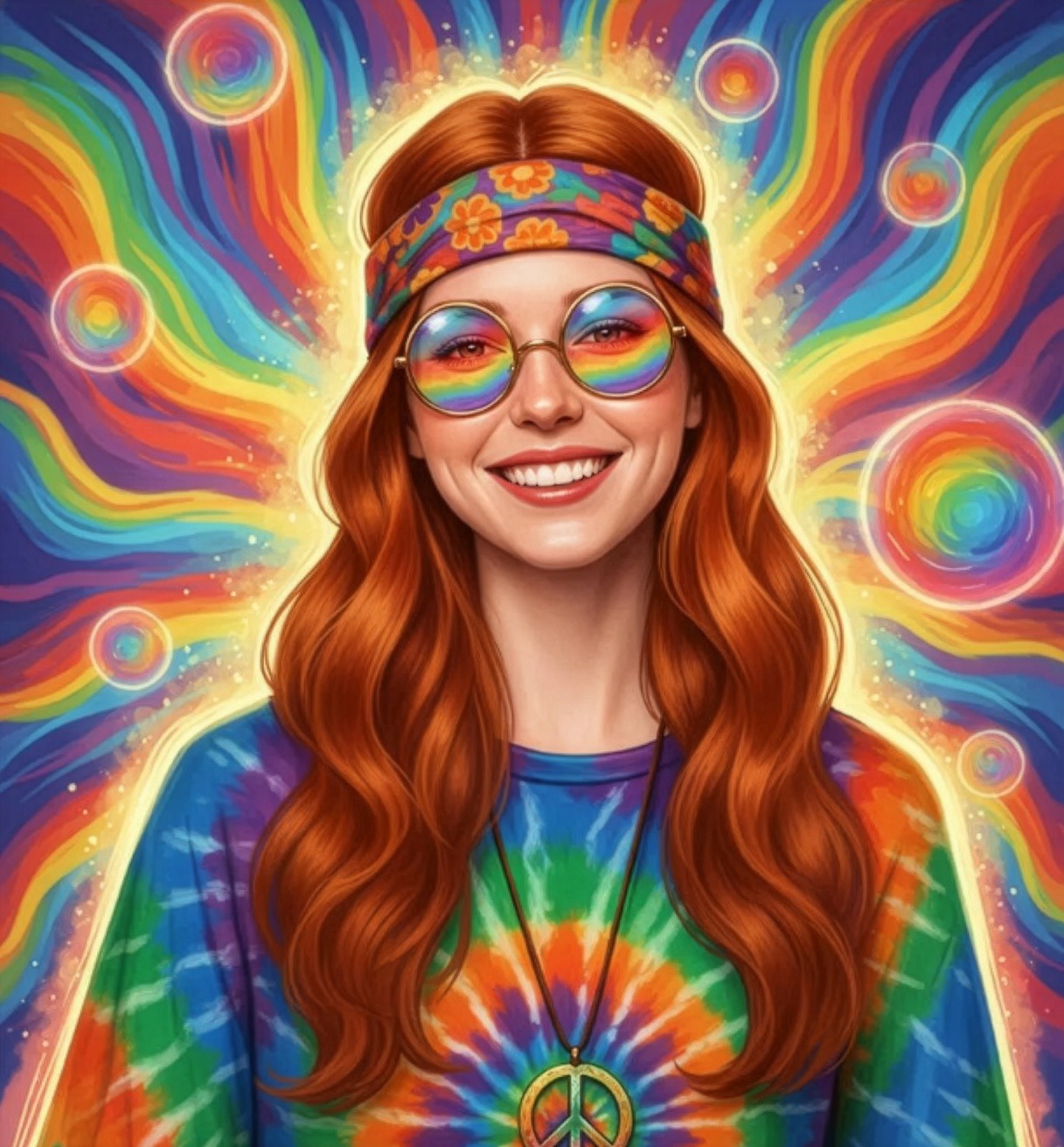
An AI photo booth is an interactive photo experience that uses artificial intelligence to transform or enhance a guest's photo after it is captured. Instead of only adding a filter or border, AI can change the environment, create a different visual style, reimagine the guest as a character or produce another creative result.
Modern AI photo booths can also include traditional photography, AI video effects, digital sharing and optional printing. In other words, an AI photo booth does not have to replace the familiar photo booth experience—it can expand what guests are able to create.
What is an AI photo booth?
At its simplest, an AI photo booth combines a camera-based photo booth experience with artificial intelligence. A guest takes a photograph, chooses a creative experience, and software processes that image to produce a new result.
That result might place the guest inside a completely different environment, change the styling of the portrait, create a themed character look or generate content designed specifically for an event, brand or venue.
The phrase AI photo booth describes the experience more than the physical equipment. The booth itself could use a tablet, touchscreen, camera station or other kiosk configuration. What makes it different is what can happen after the guest is photographed.
How does an AI photo booth work?
The exact guest flow varies between systems, but most AI photo booths follow a similar process.
Behind that simple process, the software may use technologies such as generative AI, image segmentation, background removal and other forms of image processing.
Adobe's explanation of generative image editing is a useful example of how AI can generate or replace visual elements inside an image. An event-focused system packages similar concepts into a much simpler guest-facing experience.
What can an AI photo booth create?
This is where an AI photo booth can go significantly beyond a traditional photo booth. Instead of only capturing a photograph and applying a template, the image itself can become part of the creative experience.
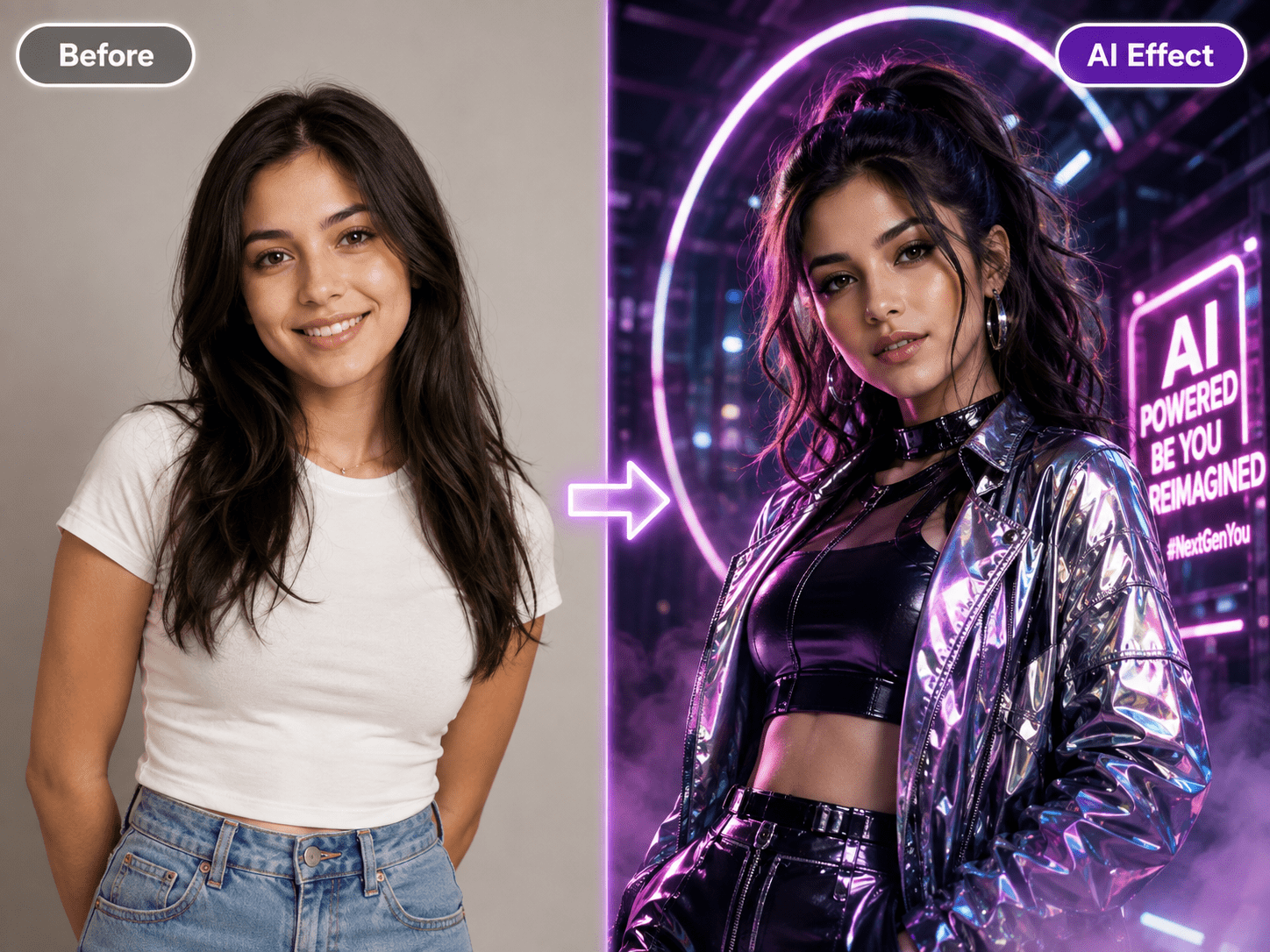
Other possibilities can include face swaps, character transformations, product-inspired creative, custom event effects and branded templates.
An AI photo booth can also retain a classic photo mode. That matters because not every guest wants an AI transformation. Sometimes people simply want a good photo with their family or friends.
AI photo booth vs. traditional photo booth
Both experiences begin with the same basic idea: give guests an easy way to step in and take a photo. The biggest difference is what can happen to the image after the capture.
Capture + decorate
- Classic photos
- Filters and overlays
- Digital or physical backdrops
- Photo templates
- Sharing and printing
Capture + transform
- AI-generated portrait styles
- Environment transformation
- Character-inspired effects
- Custom creative concepts
- Classic mode can still be included
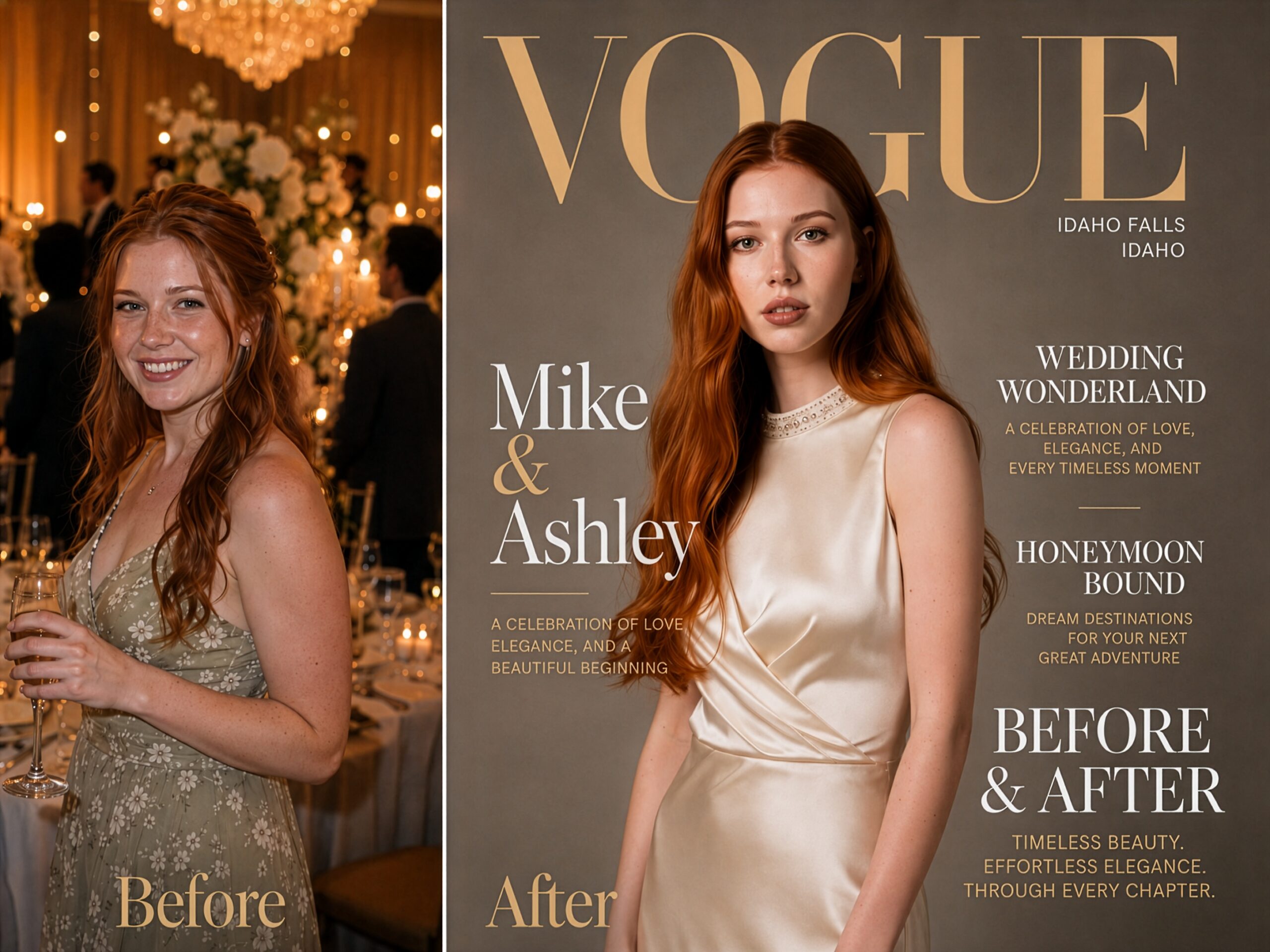
Neither approach is automatically better. The best experience depends on the audience and purpose. In many cases, combining AI effects with classic photography gives guests the most flexibility.
Does an AI photo booth replace a photographer?
No. An AI photo booth and a professional event photographer serve different purposes.
A photographer documents the event itself: important moments, interactions, groups and the overall atmosphere. A photo booth is an activity guests intentionally step into to create their own content.
Wedding resources from The Knot similarly position photo booths as an additional guest experience and keepsake opportunity rather than a replacement for wedding photography.
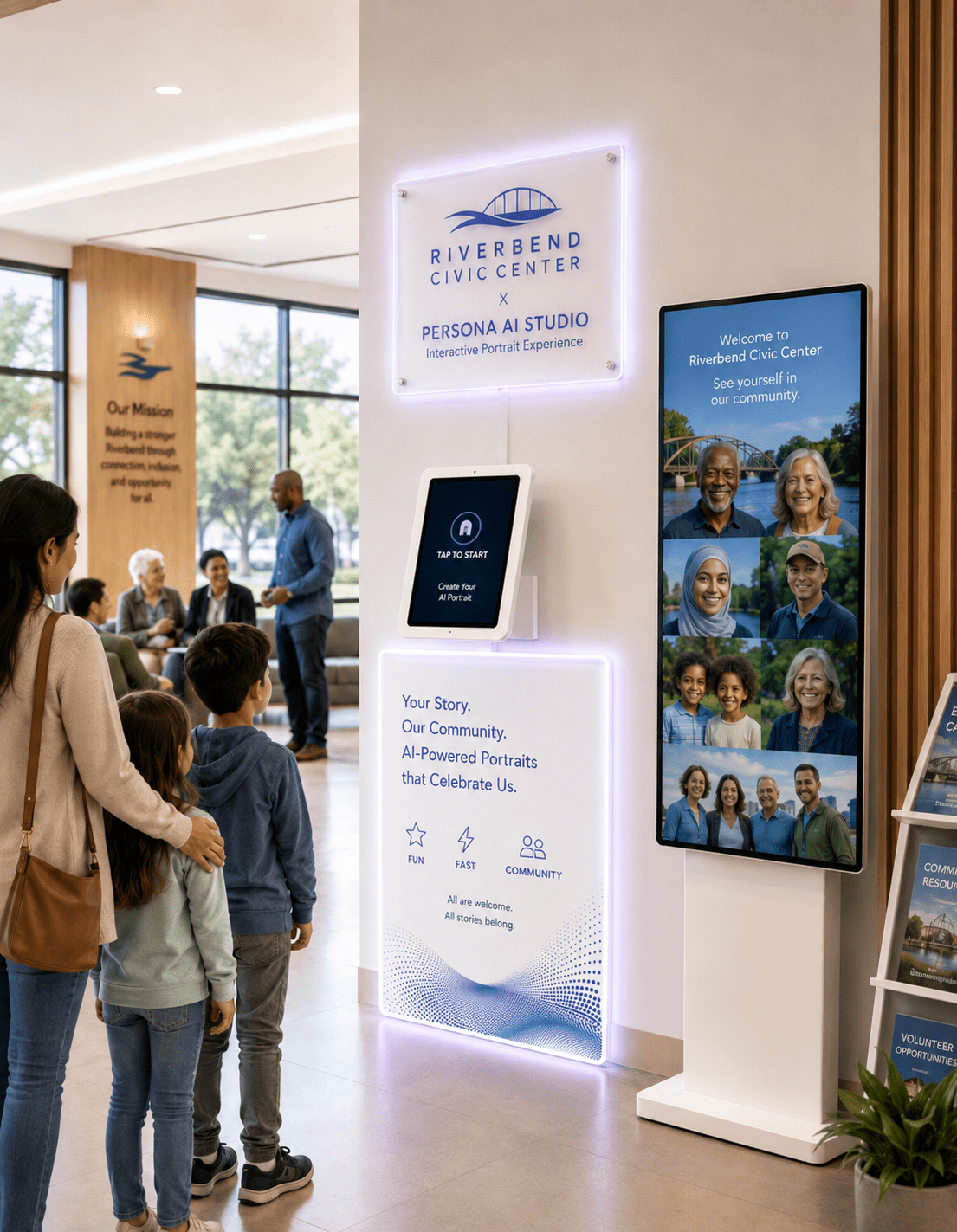 Events + Installations
Where are AI photo booths used?
Because the creative experience can be changed through software, an AI photo booth can work in many different environments.
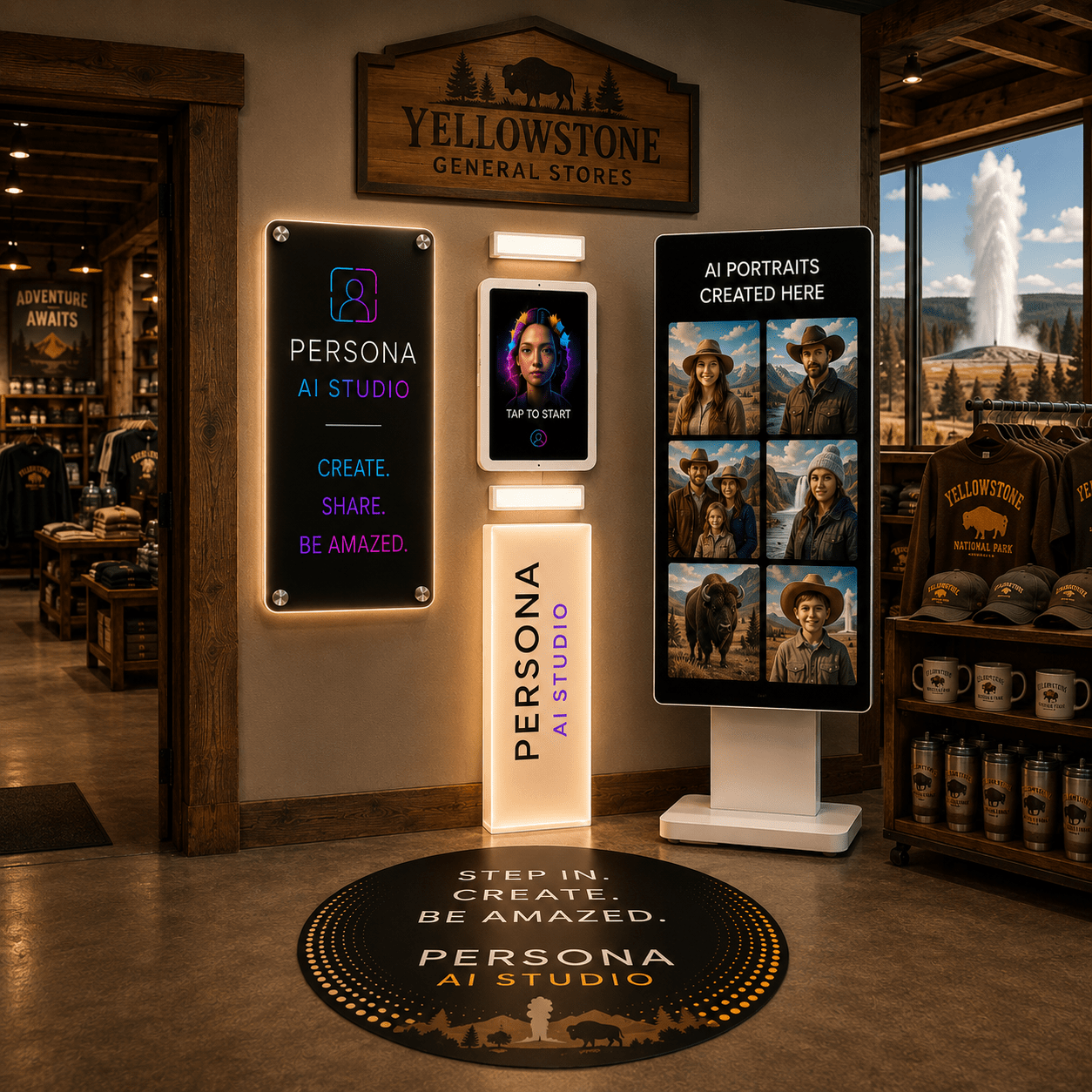
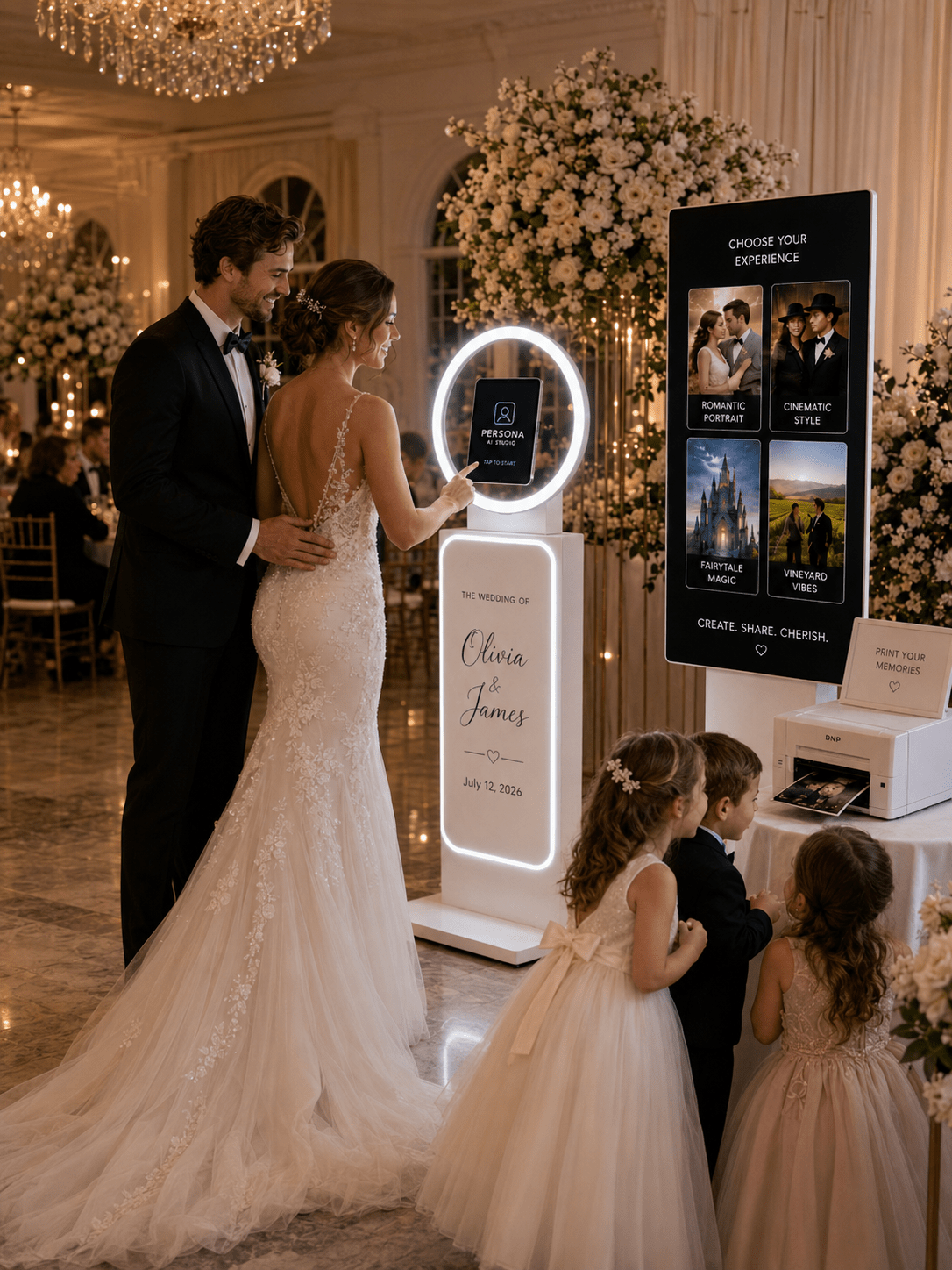
They can appear at weddings and corporate events, but they can also become longer-term interactive experiences inside attractions, entertainment venues, tourism destinations, museums, retail environments and other guest-facing locations.
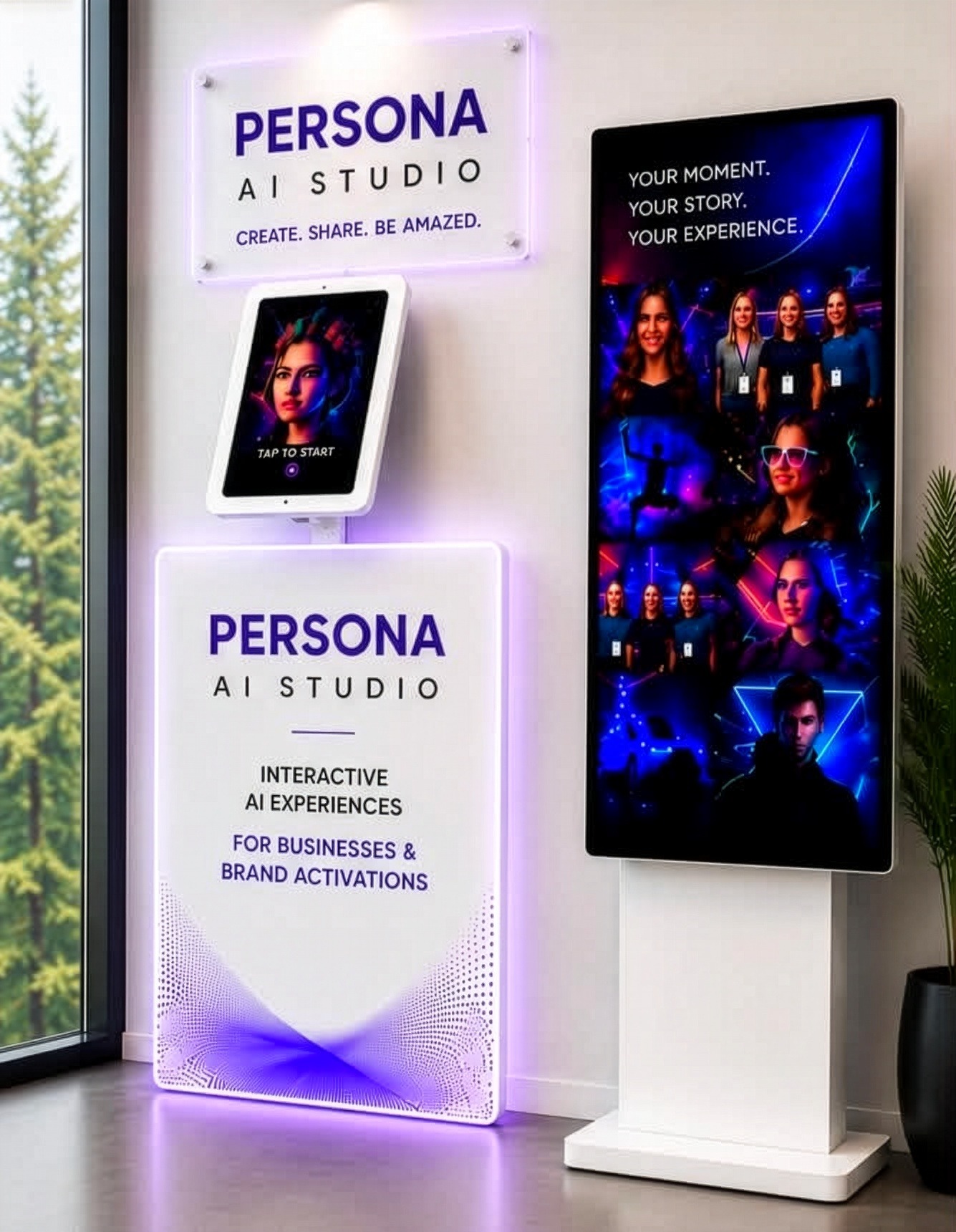
Metamora Works calls its AI-powered photo and video experience Persona AI Studio . Persona AI Studio can be configured for permanent installations , brand activations and special events .
What equipment does an AI photo booth use?
There is no single required hardware configuration. Depending on the setup, an AI photo booth may use a tablet, dedicated camera, touchscreen, lighting, computer and optional printer.
Even traditional photo booth setups use many of the same fundamentals. The Knot's guide to creating a photo booth discusses common components such as cameras, lighting and booth areas.
What changes with an AI photo booth is primarily the software and processing behind the experience. That is what allows the original image to become something new.
How long does an AI photo booth take?
A traditional photo booth can display a captured image almost immediately. AI effects may require additional processing time because the system needs to generate or transform the result.
Processing speed depends on the type of effect, software, internet connection and AI service being used. A well-designed experience should account for that processing time within the guest flow.
Does an AI photo booth need internet access?
Often, yes. Many generative AI services use cloud-based processing, which means reliable internet access may be needed for AI generation and digital delivery.
Requirements vary by system, so venues and event planners should confirm connectivity requirements with their provider ahead of time.
Can guests share AI photo booth pictures?
Yes. Depending on how the booth is configured, delivery options may include QR codes, text messaging, email or an online gallery. Physical printing can also be offered with some setups.
That combination of participation and takeaway is one of the reasons photo booths continue to work well at events. AI simply expands the range of content guests can create before they receive it.
Can an AI photo booth be customized for a brand or event?
Yes. Customization can go far beyond putting a logo on the outside of the kiosk.
Depending on the project, the AI experience itself can be developed around an event or campaign. That can include custom AI portrait concepts, branded digital templates, overlays, delivery screens, campaign messaging and optional physical prints.
If you're exploring this specifically for marketing, visit the Persona AI Studio Brand Activations page.
Is an AI photo booth right for every event?
Not necessarily. The technology should improve the guest experience, not make it more complicated.
Some audiences will love creative transformations. Others may prefer classic photography. That is why an experience that gives guests different options can be particularly effective.
The goal remains the same as it has always been with a good photo booth: make participation simple and give people something they enjoy creating and keeping.
For wedding-specific inspiration, read our guide to AI photo booth ideas for weddings . You can also browse Ideas & Resources for additional guides about interactive experiences.
So, what is an AI photo booth?
An AI photo booth is best understood as an evolution of the interactive photo booth. Guests still step up, take a photograph and receive something to keep, but artificial intelligence expands what can happen between the original capture and the finished result.
That result might be an AI portrait, a completely new environment, a playful character transformation, an AI video or an experience created around a particular event or brand.
The technology can be impressive, but the guest experience still matters most. A successful AI photo booth should be easy to understand, enjoyable to use and capable of creating something people actually want to keep.
See what an AI photo booth can become.
Persona AI Studio by Metamora Works combines AI photo and video experiences with classic capture options for businesses, brand activations, weddings and special events.